


The blister has become an essential packaging solution in many sectors, particularly in pharmaceuticals, food, and cosmetics. Behind its practical form and neat appearance lies a complex manufacturing process, where every step and every piece of tooling plays a crucial role.
1. The First Phase: Thermoforming
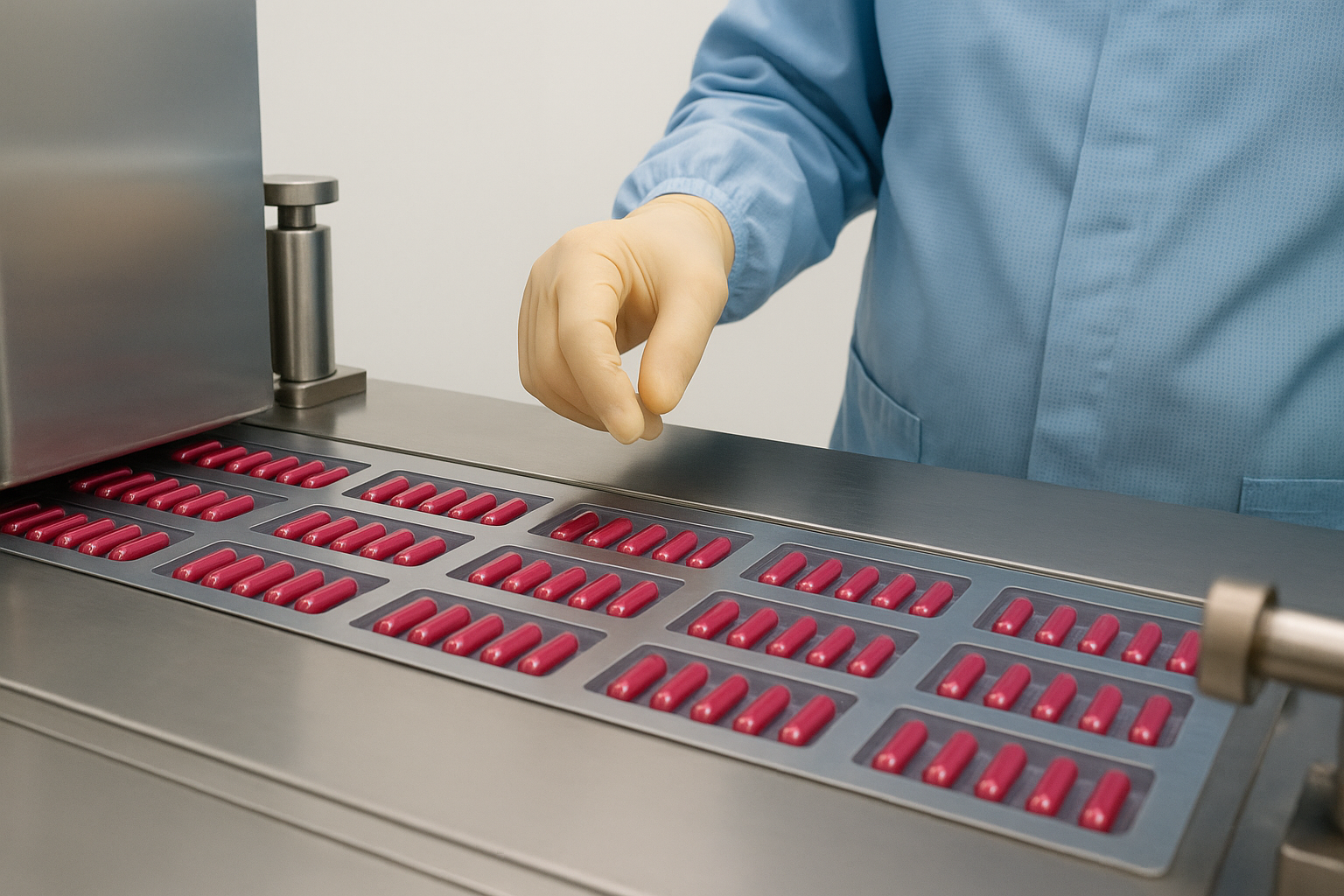
In the pharmaceutical sector, thermoforming is a process that involves heating a PVC sheet until it becomes pliable, then shaping it over a mold using a pressure system. The molds, combined with counter-molds, precisely define the shape and depth of the cavities, ensuring uniform distribution and a clean finish. Once cooled, the PVC solidifies and retains the shape of the mold, which is particularly important in blister manufacturing.
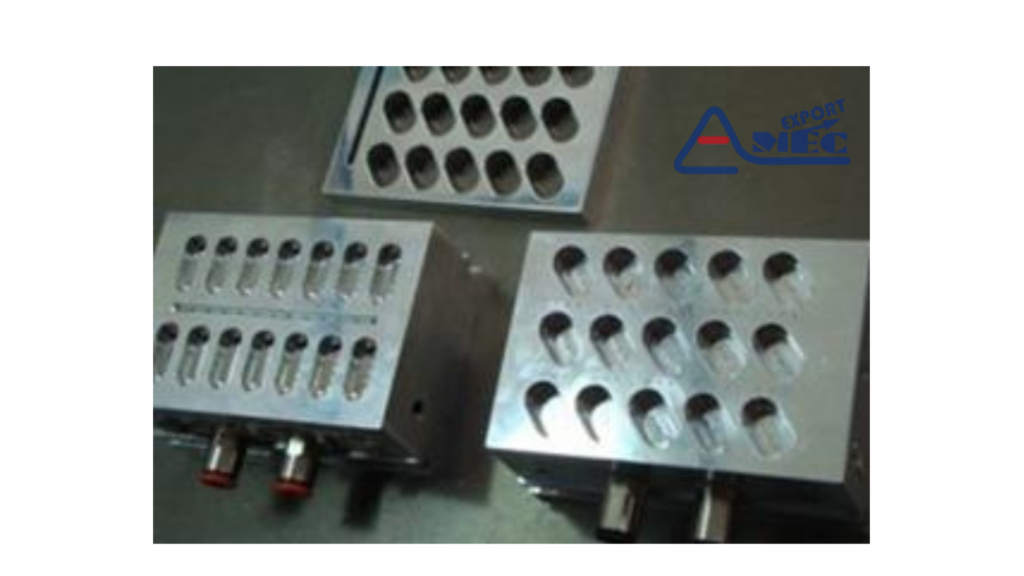
Thermoforming Molds
 Thermoforming Counter-Molds
2. The Next Phase: Sealing
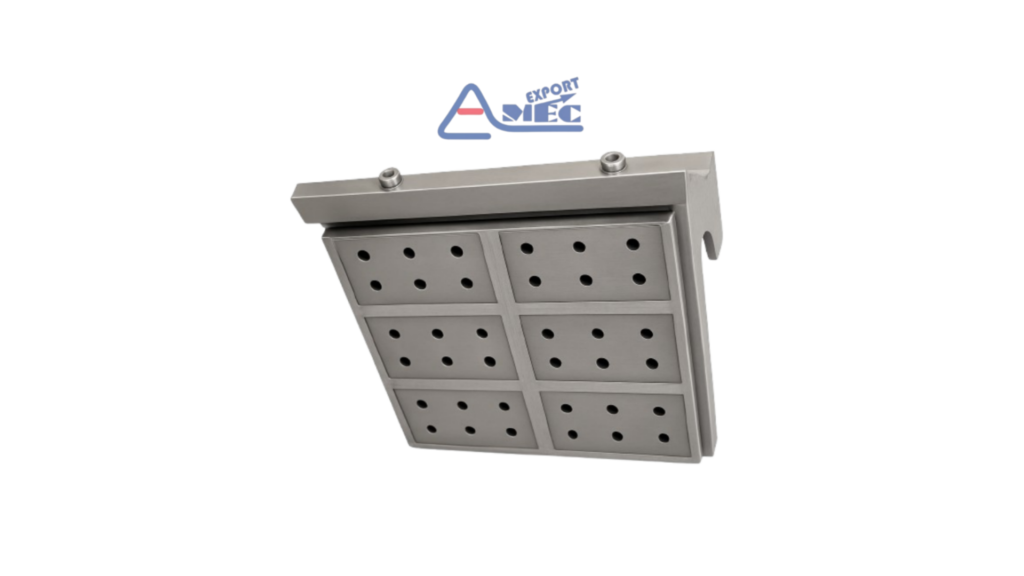
This step ensures the protection and hygiene of the product. To hermetically seal each unit, flat-bed machines use sealing plates flat heated components that apply uniform pressure over the surface of the blister and its backing card to create a reliable seal. In rotary machines, heated sealing cylinders perform this function, acting like rollers that enable continuous sealing, perfectly suited for high production speeds.
These tools are essential for achieving consistent, robust seals that meet quality standards. Once sealed, the blister passes through the character block stage, where regulatory information such as the batch number or expiration date is printed. This phase is crucial for traceability and compliance with safety regulations.
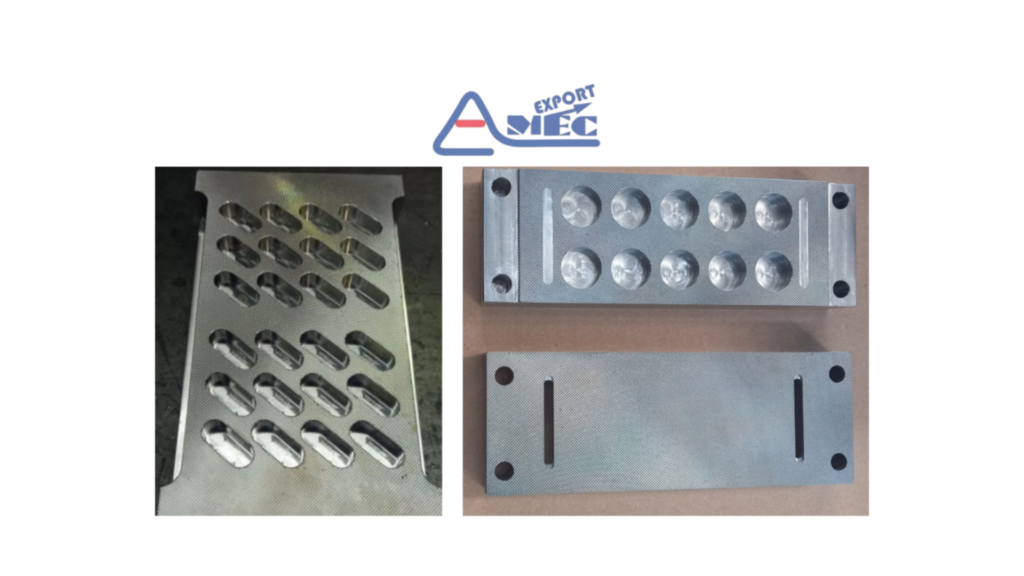
Sealing Plate
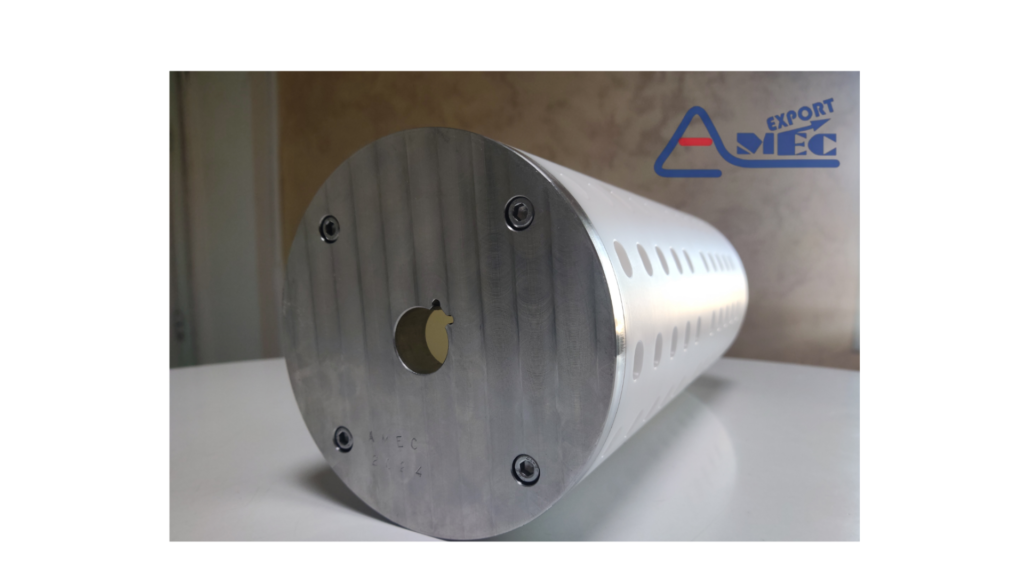
Sealing Cylinder for Rotary Machines (POM-C)
3. The Final Phase: Cutting
At this stage, the blister is separated into individual units, giving it its final, practical, and aesthetically pleasing shape. This operation is carried out using blister cutting stations, specifically designed to ensure dimensional accuracy and clean edges. The use of this equipment guarantees not only consistent sizing but also the visual and functional quality of the finished product.
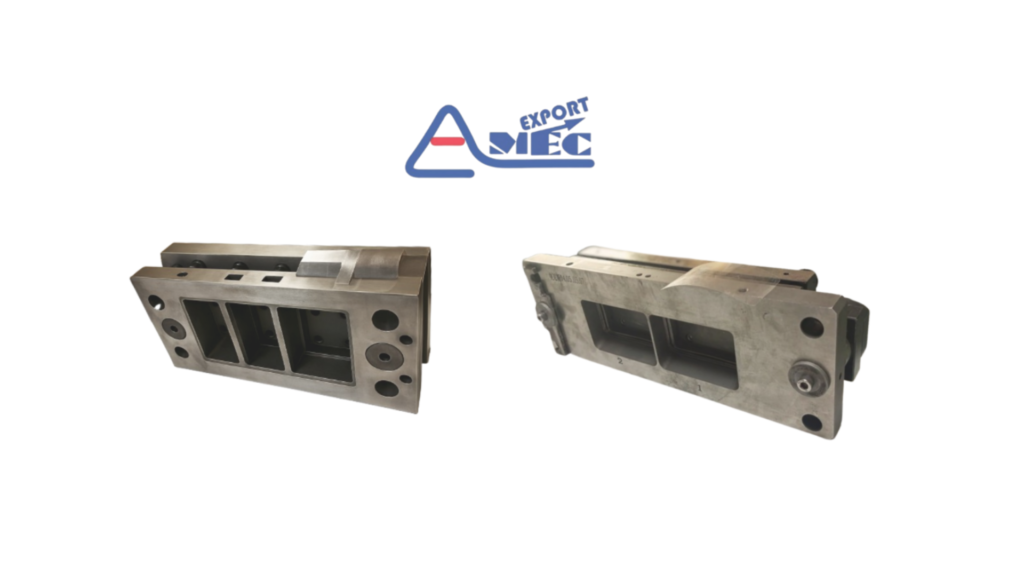
Each stage of this journey from thermoforming with its molds and counter-molds to sealing with its plates and cylinders reflects a technical expertise that combines precision and innovation.
It is this attention to detail that ensures packaging that is reliable, safe, and fully compliant with market requirements.


